
The W9 Soccer System
Nine pillars.
One complete player.

Explore the nine areas of development that shape how a W9 player moves, plays, thinks and grows.
The body. The ball. The game. The person.
Each button opens its purpose, the areas it develops and its place in the W9 Soccer System.
Technical Mastery · Pillars 1–4
01Physical MasteryThe movement behind every soccer action.ExploreClose

Physical Mastery
Physical Mastery develops the body control that makes soccer skill possible. It brings coordination, balance, rhythm, agility, mobility, speed, strength and body mechanics into one foundation.
The learning encompasses acceleration, deceleration, changes of direction, jumping, landing and maintaining control through contact. W9 connects these qualities with the actual demands of soccer so the player’s movement supports technique and decisions as the game becomes more demanding.
The aim is a player who can express an idea with control, precision and repeatable quality. This foundation supports receiving, dribbling, passing, defending and finishing.
Areas this pillar develops
Coordination · Balance · Agility · Movement mechanics
02Ball MasteryFreedom and confidence with the ball.ExploreClose

Ball Mastery
Ball Mastery develops the ability to control, manipulate, protect and move the ball with purpose. It builds familiarity with the ball and the surfaces used to guide it, connecting body control with intentional contact.
Its scope includes dribbling, stopping, starting, turning, changes of speed and direction, shielding and escaping pressure. The education develops an understanding of how the body, the ball, space and the opponent influence the player’s options.
W9’s aim is confidence grounded in command of the ball. As that relationship develops, the player can become more composed and creative under game pressure, with greater freedom to choose an action.
Areas this pillar develops
Control · Dribbling · Turning · Protection
03Passing and Receiving MasteryConnecting the player to the team.ExploreClose
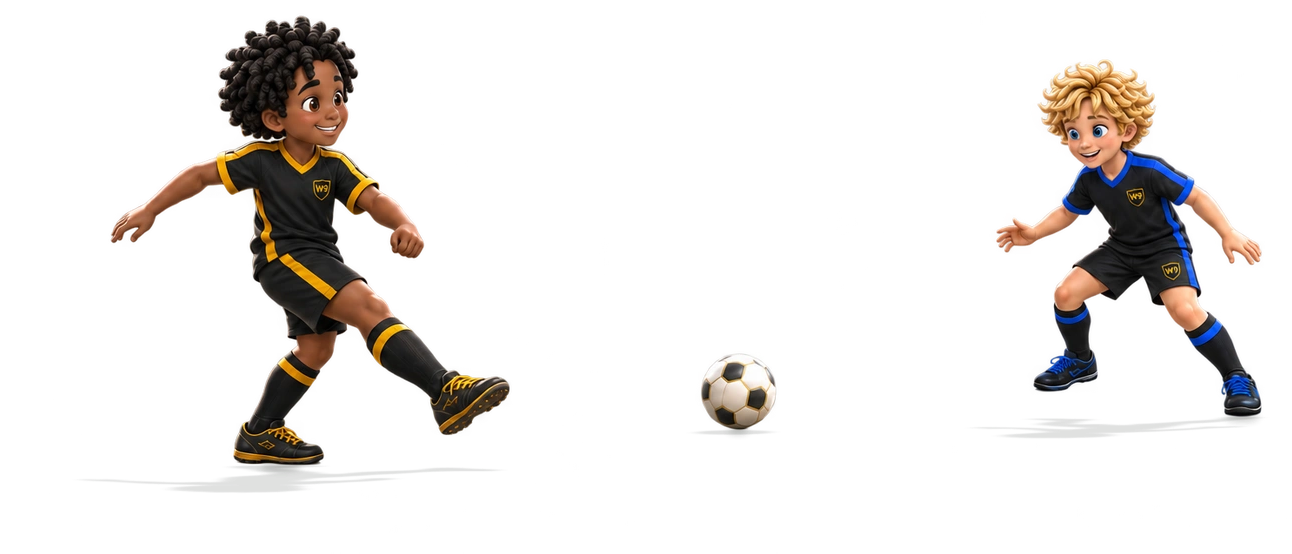
Passing and Receiving Mastery
Passing and Receiving Mastery develops the quality of the connection between teammates. It brings the delivery of the ball and preparation for the next action into one area of study, connecting technique with awareness and decisions.
Players study accuracy, weight, angle, timing, direction and the purpose of a pass. Receiving encompasses scanning, body orientation, first-touch quality and awareness of pressure and space. The pass and reception are connected responsibilities within the flow of the game.
The aim is a player who contributes to the rhythm and clarity of team play. This pillar develops the ability to combine with others, support possession and make teammates’ next actions more manageable as time and space become limited.
Areas this pillar develops
Passing quality · First touch · Awareness · Timing
04Finishing MasteryRecognizing and completing scoring opportunities.ExploreClose

Finishing Mastery
Finishing Mastery develops the player’s ability to recognize and complete scoring opportunities. It brings technique, movement, timing, decision-making and emotional composure together.
The scope includes different striking surfaces, both feet, placement, power and varied situations around goal. Players also develop awareness of the goalkeeper, defenders, available angles and the time a chance allows. The education connects the final action with the preparation that makes the opportunity possible.
The aim is a more prepared and composed player in front of goal, with a broader range of finishing choices and a clearer connection between the chance they recognize and the action they attempt.
Areas this pillar develops
Technique · Variety · Movement · Composure
Tactical Mastery · Pillars 5–7
051v1 MasteryThe whole player inside the duel.ExploreClose

1v1 Mastery
1v1 Mastery develops the ability to compete directly with an opponent. In W9, it includes attacking, defending and transitioning, bringing technical skill, physical control, tactical awareness and mental strength into a changing competitive moment.
Attacking encompasses creativity, deception, protection and recognition of space. Defending includes discipline, timing, distance and reading an opponent. Transitioning concerns the response when possession changes, keeping the player involved beyond the first action.
The duel also develops courage, accountability and resilience. It reveals strengths and areas for growth, giving the player feedback about preparation and supporting the ability to learn from a lost battle and remain engaged.
Areas this pillar develops
Attacking · Defending · Transitioning · Competitive courage
06Possession MasteryUnderstanding the purpose of keeping the ball.ExploreClose

Possession Mastery
Possession Mastery develops the intelligence needed to keep and use the ball with purpose. It connects the ball carrier with teammates, space, pressure and the changing rhythm of the game.
Its scope includes support angles, scanning, movement around the ball, protection, pressure management and connected decisions. Players study securing possession and using it to progress, including awareness of tempo, circulation, switches of play and changing opportunities.
The aim is a player who contributes calm, useful options and intelligent decisions in a collective setting. Possession Mastery brings individual technique into relationships with others, helping a team manage pressure and recognize opportunities to create an advantage.
Areas this pillar develops
Support · Pressure management · Rhythm · Progression
07Positional MasteryKnowing the responsibility behind the position.ExploreClose

Positional Mastery
Positional Mastery develops the player’s understanding of their role within the team. It concerns the meaning of movement and space, and how individual decisions influence teammates, opponents and the next phase of play.
The learning covers attacking, defending and transition responsibilities alongside spacing, timing, support, communication and awareness of team shape. Different positions carry different demands, so this pillar includes studying the game through a role and understanding its relationships with others.
W9’s aim is a more aware, reliable and purposeful player. Positional Mastery gives individual ability direction within team play, developing the understanding needed to contribute beyond the ball and bring creativity into a shared structure.
Areas this pillar develops
Roles · Space · Movement · Team understanding
Personal Mastery · Pillars 8–9
08Self-MasteryTaking ownership of the development journey.ExploreClose
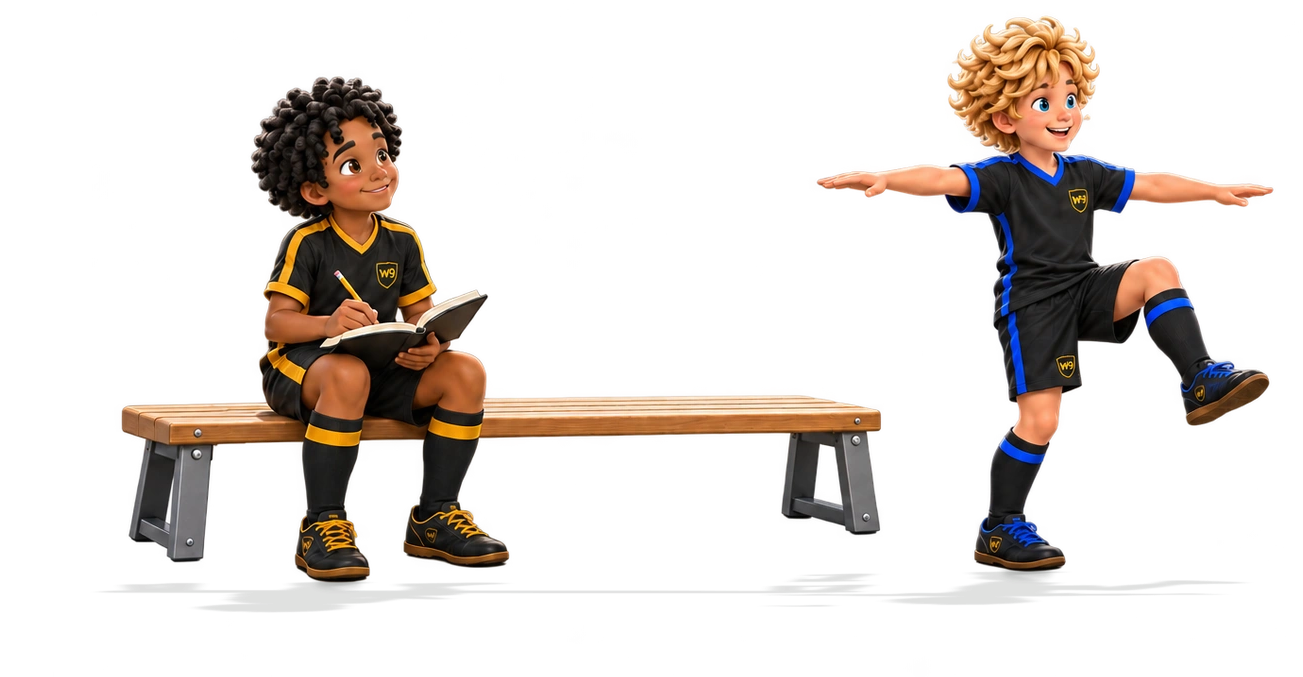
Self-Mastery
Self-Mastery develops the player’s ability to take responsibility for growth. Coaches, parents and teammates can guide and support the process; this pillar builds the player’s capacity to participate actively and become more self-directed.
Its scope includes discipline, accountability, goal setting, time management, independent training, study, note-taking and reflection. W9 connects these habits with everyday choices and standards, helping the player understand preparation and develop consistency beyond scheduled team activity.
The aim is a student of the game who learns how to develop. Self-Mastery gives ambition a practical structure and supports confidence rooted in preparation, connecting soccer with responsibility, commitment, curiosity and continuing personal growth.
Areas this pillar develops
Ownership · Discipline · Study · Reflection
09Mental MasteryThe mind that supports the player under pressure.ExploreClose
Mental Mastery
Mental Mastery develops the player’s relationship with pressure, attention and emotion. Soccer tests the inner world as well as technical ability, and this pillar addresses how fear, frustration, doubt, confidence and expectation can influence performance.
W9’s scope includes focus, emotional awareness, composure, resilience, confidence built through preparation and the response to mistakes or setbacks. The education recognizes emotion while developing the capacity to remain present through criticism, disappointment and uncertainty.
The aim is a player whose mind supports their skill when competition becomes demanding. Mental Mastery connects preparation with a steadier competitive response, reinforcing the confidence and persistence needed to keep learning through success and difficulty.
Areas this pillar develops
Focus · Composure · Resilience · Prepared confidence
Continue the journey
Discover the thinking behind W9.
Explore the W9 books for the philosophy, stories and detailed learning behind the system.
Explore the books →